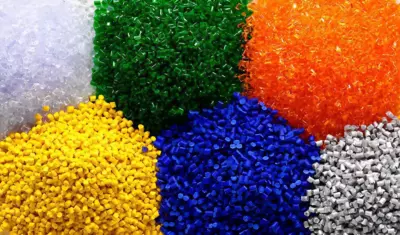
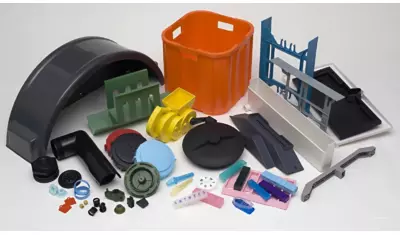
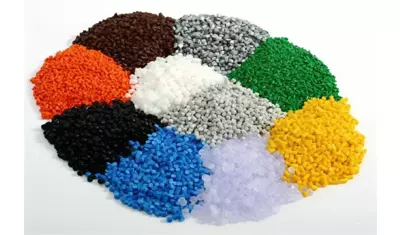
Thermoplastics are polymers that become plastic under the action of heat and, after cooling, retain the shape into which they were molded. It is precisely because of this property that they are widely used in the plastic molding process.
Types of Thermoplastics and Their Main Properties
- Polypropylene (PP) — one of the most common types of thermoplastics. It features good resistance to chemical exposure, high heat resistance, and strength.
- Polyethylene (PE) has good electrical insulation and is resistant to water and solutions of acids and alkalis. This thermoplastic is often used for manufacturing film, pipes, and various products.
- Polyvinyl chloride (PVC) — a thermoplastic with good resistance to aggressive environments, ultraviolet light, and high and low temperatures.
Thermoplastics for Automatic Molding
Thermoplastics for automatic molding are used in processes that require maximum productivity and precision of product shape. They have special properties that allow the molding process to be automated. It is important to remember that the choice of thermoplastic depends on the specific task and requirements for the product. Before purchasing, we recommend consulting a specialist.