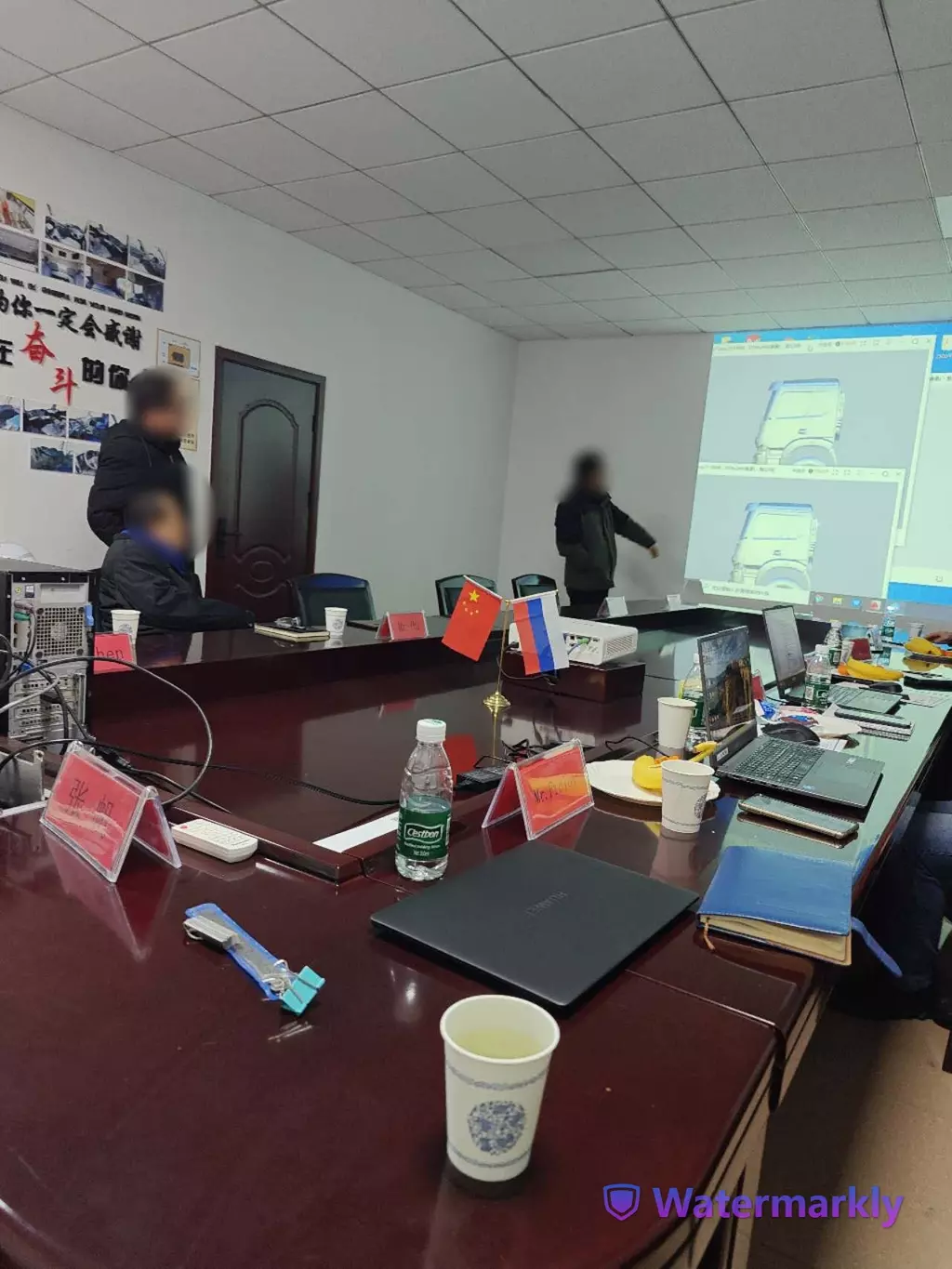
Pre-Project Work on Localizing Cab Production for Commercial Trucks: Comprehensive Engineering from Idea to Line
As part of the import substitution project for a critically important commercial vehicle component — the truck cab — our team carried out a full cycle of pre-project work. The project was delivered for a domestic manufacturer facing the need to replace imported technologies and fully localize the production of complex body panels.
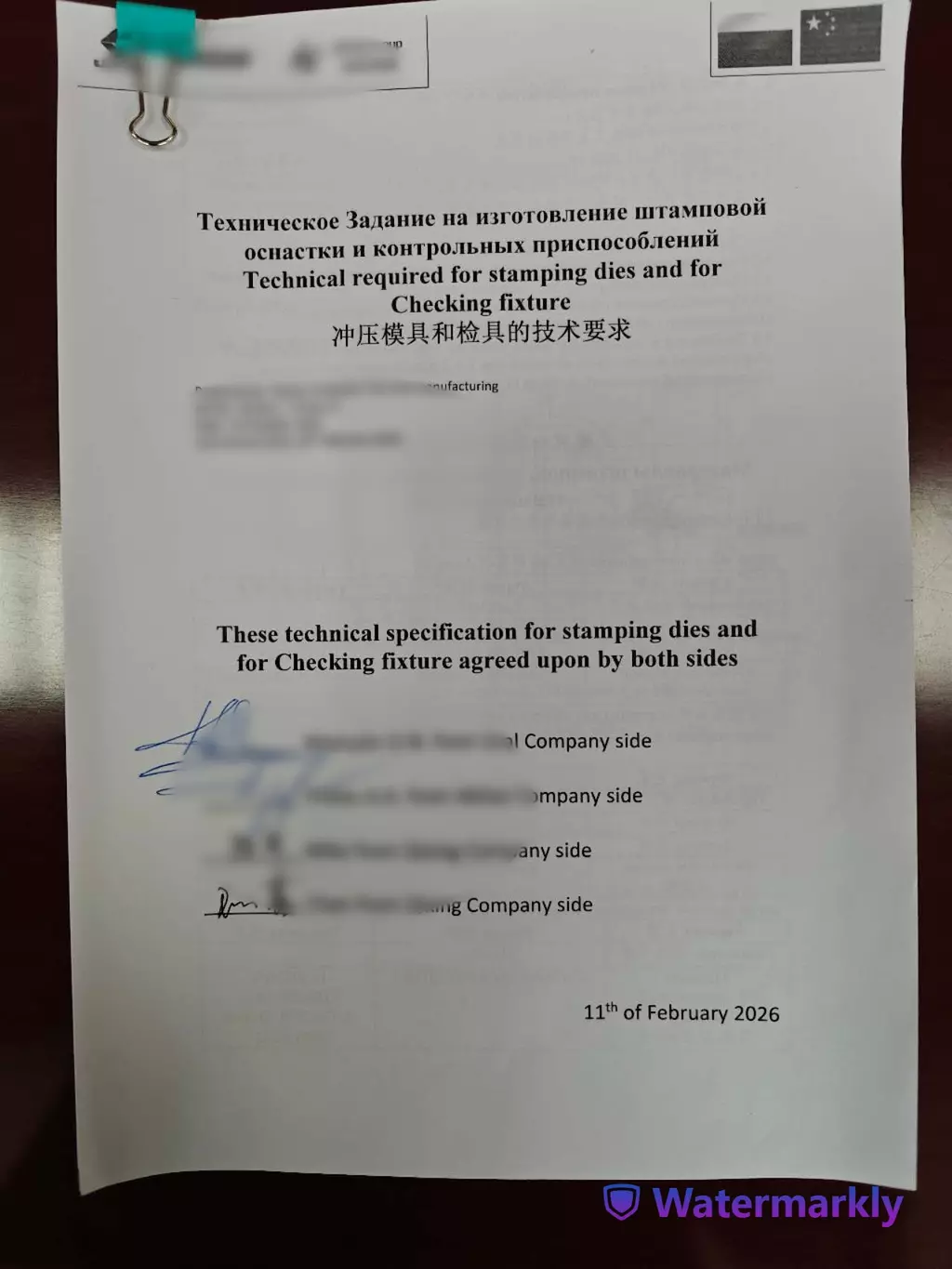
Development of the Technical Specification for Stamping Dies and Checking Fixtures
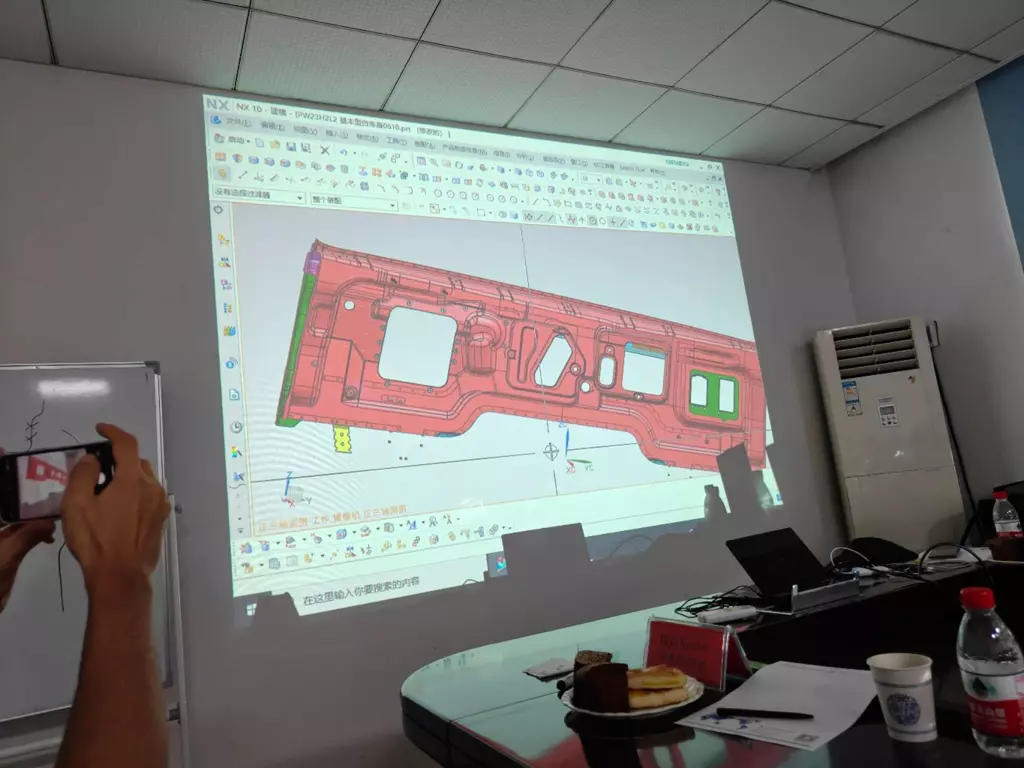
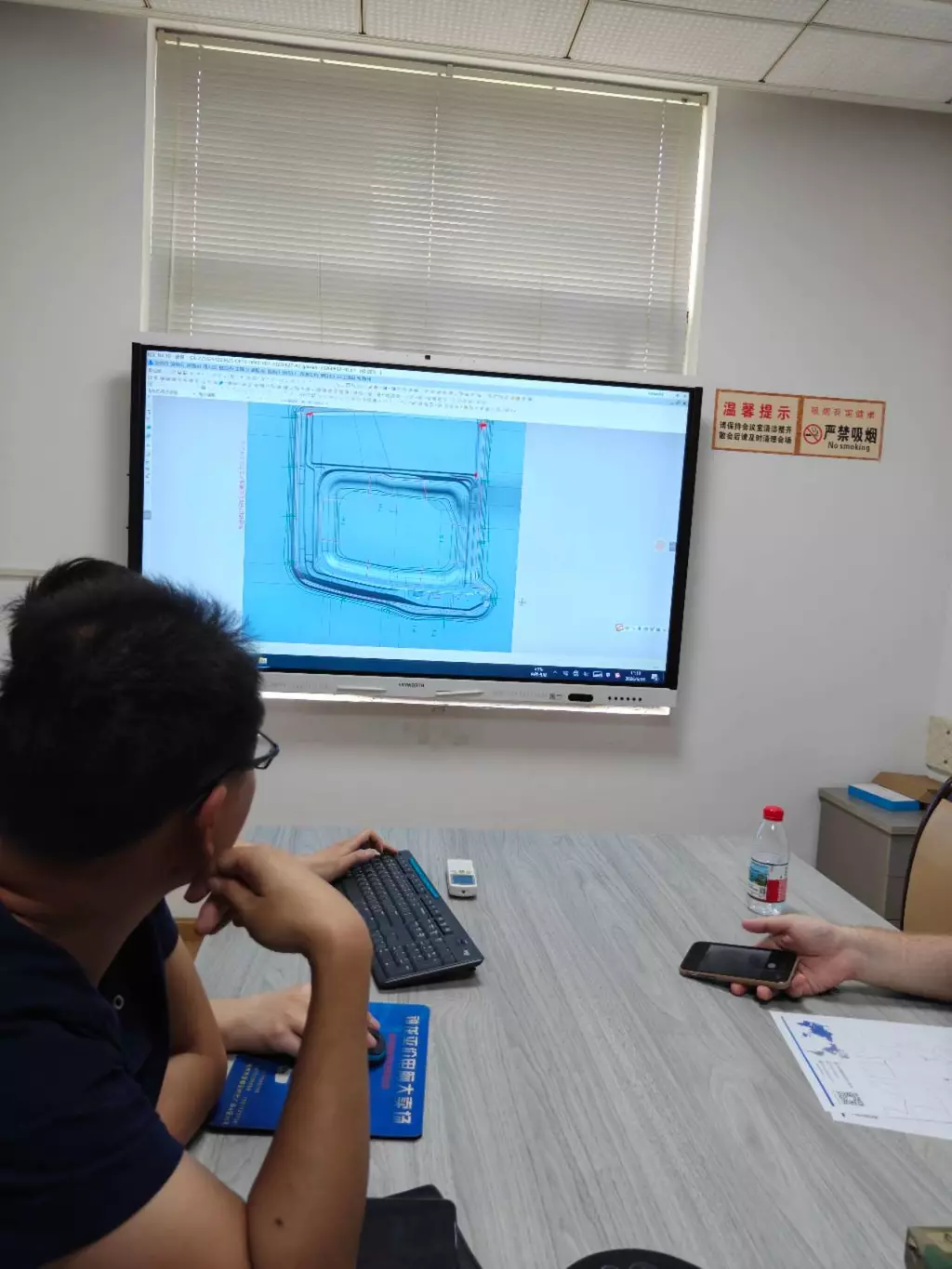
The first and key stage was the development of a detailed technical specification for the design and manufacture of stamping dies and inspection fixtures. The specification took into account all requirements for geometric accuracy and surface finish of the cab's outer panels — roof, side panels, doors, and other exterior trim elements. Particular attention was paid to ensuring the rigidity and strength of the parts at minimum weight, as well as the manufacturability of their subsequent assembly. The technical specification was drawn up in accordance with the regulatory documentation for the design of production tooling and was approved by both the Customer and the die manufacturer.
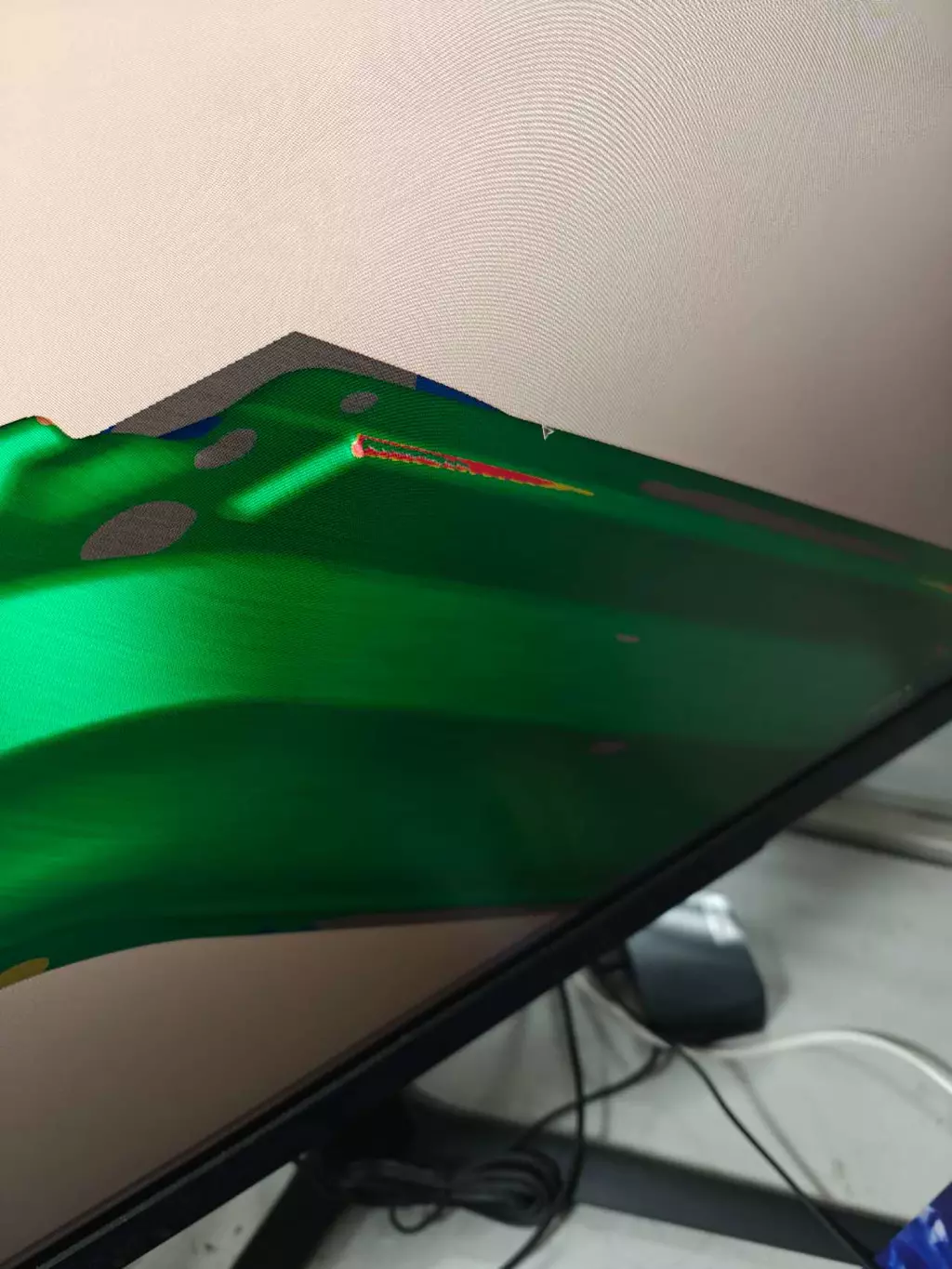
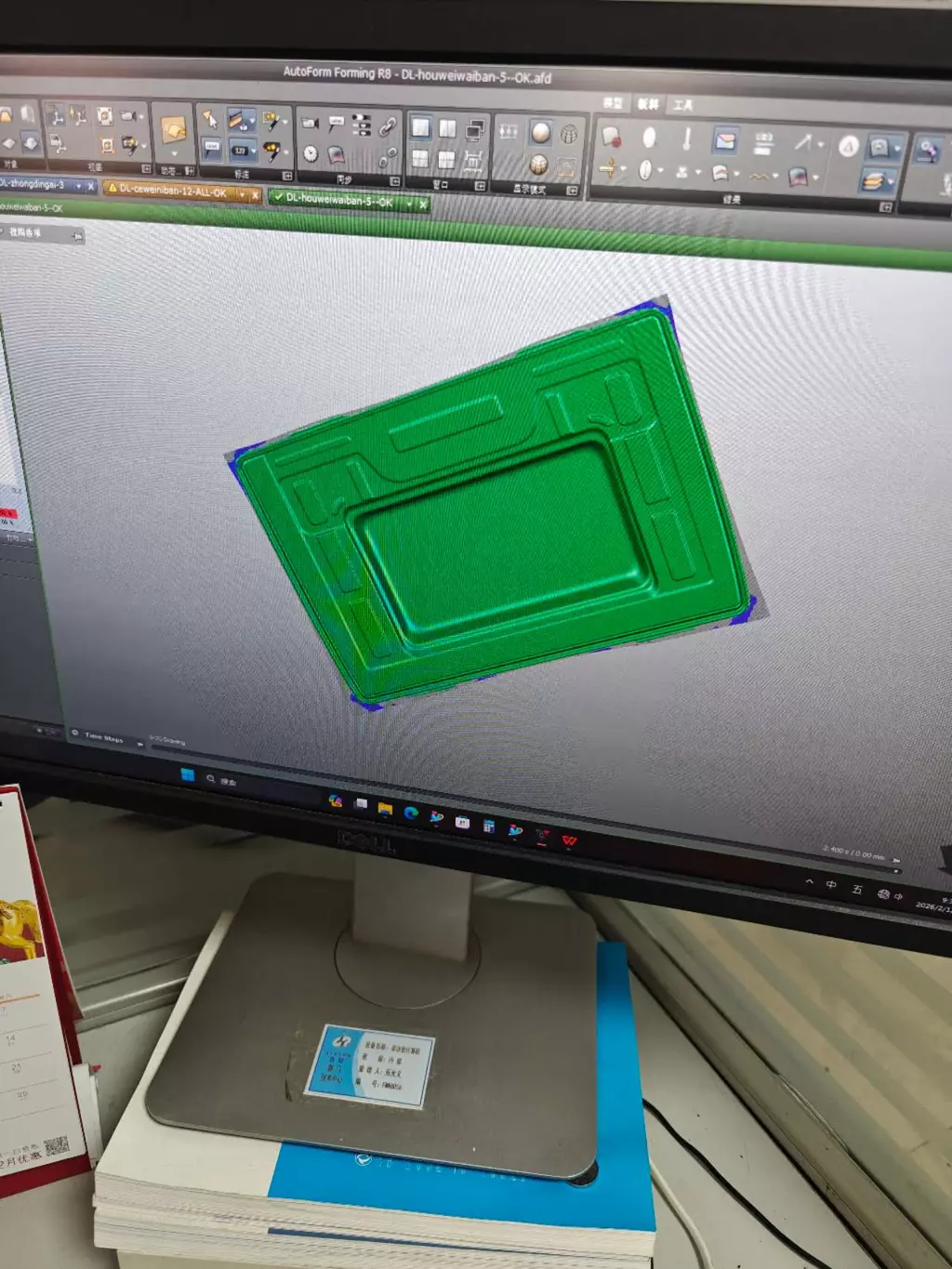
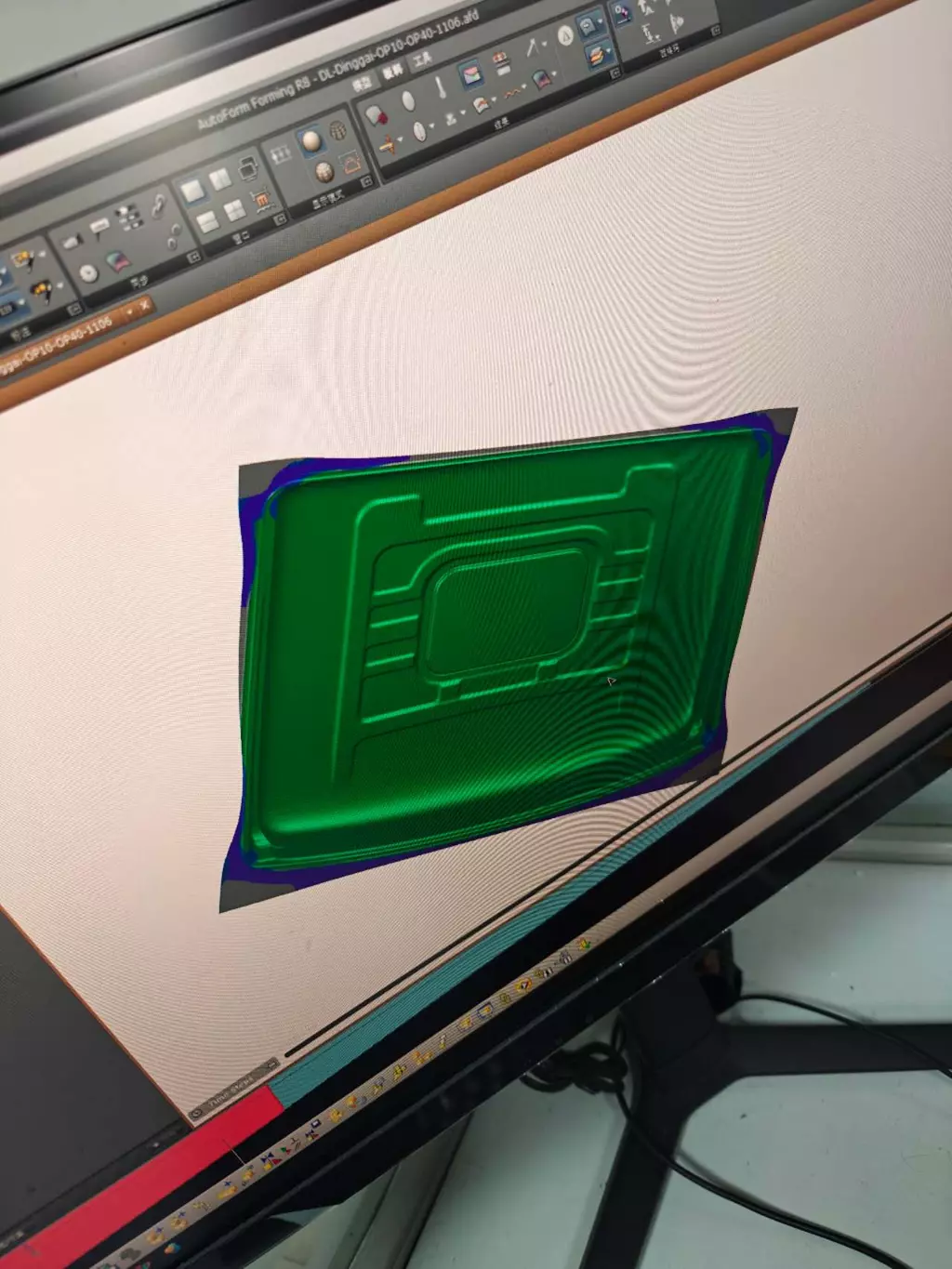
Formability Process Simulation Development of the technical Process
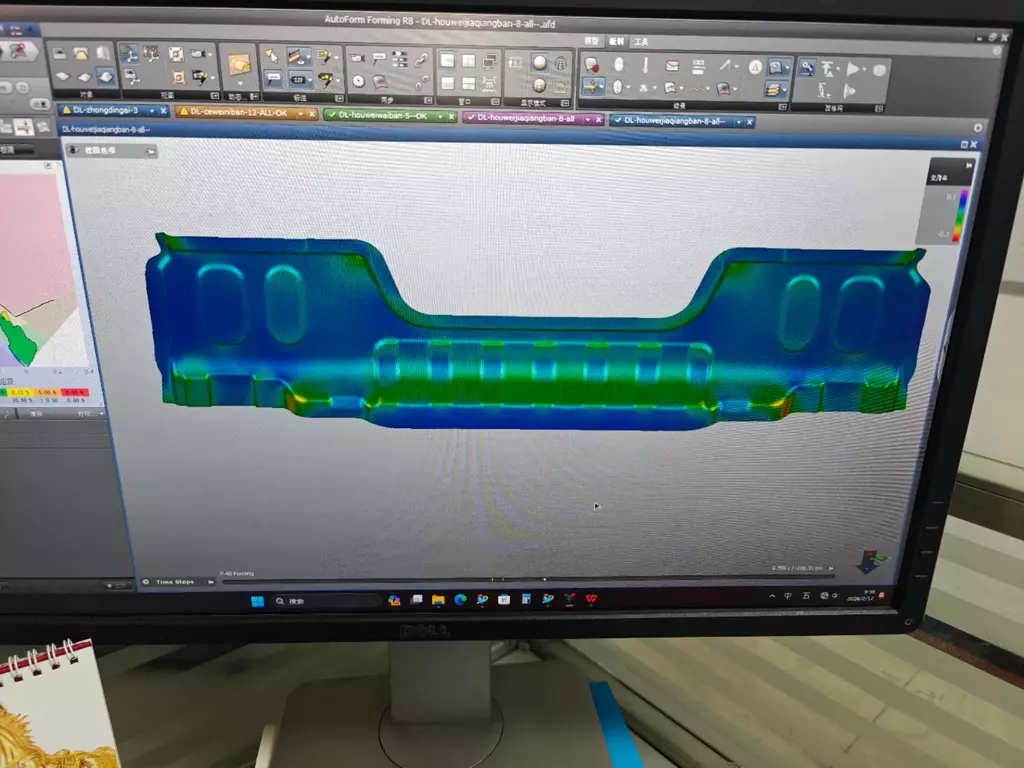
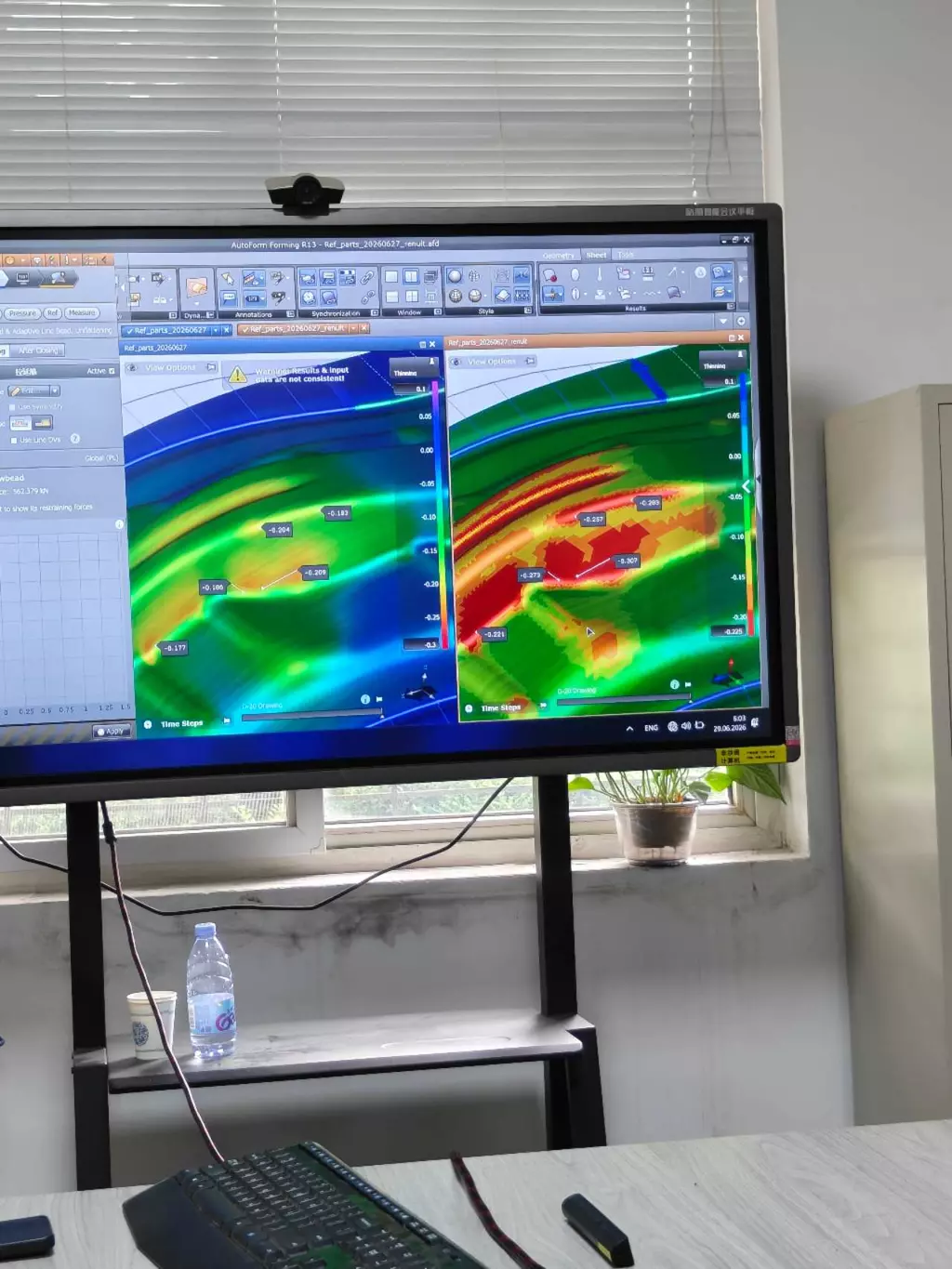
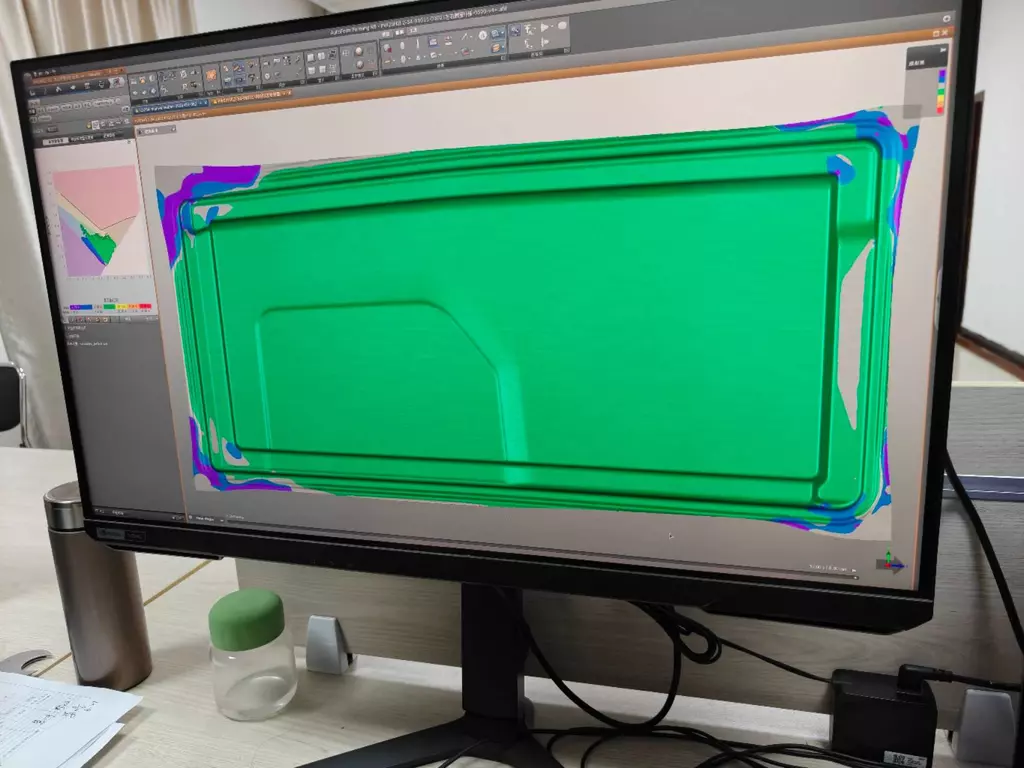
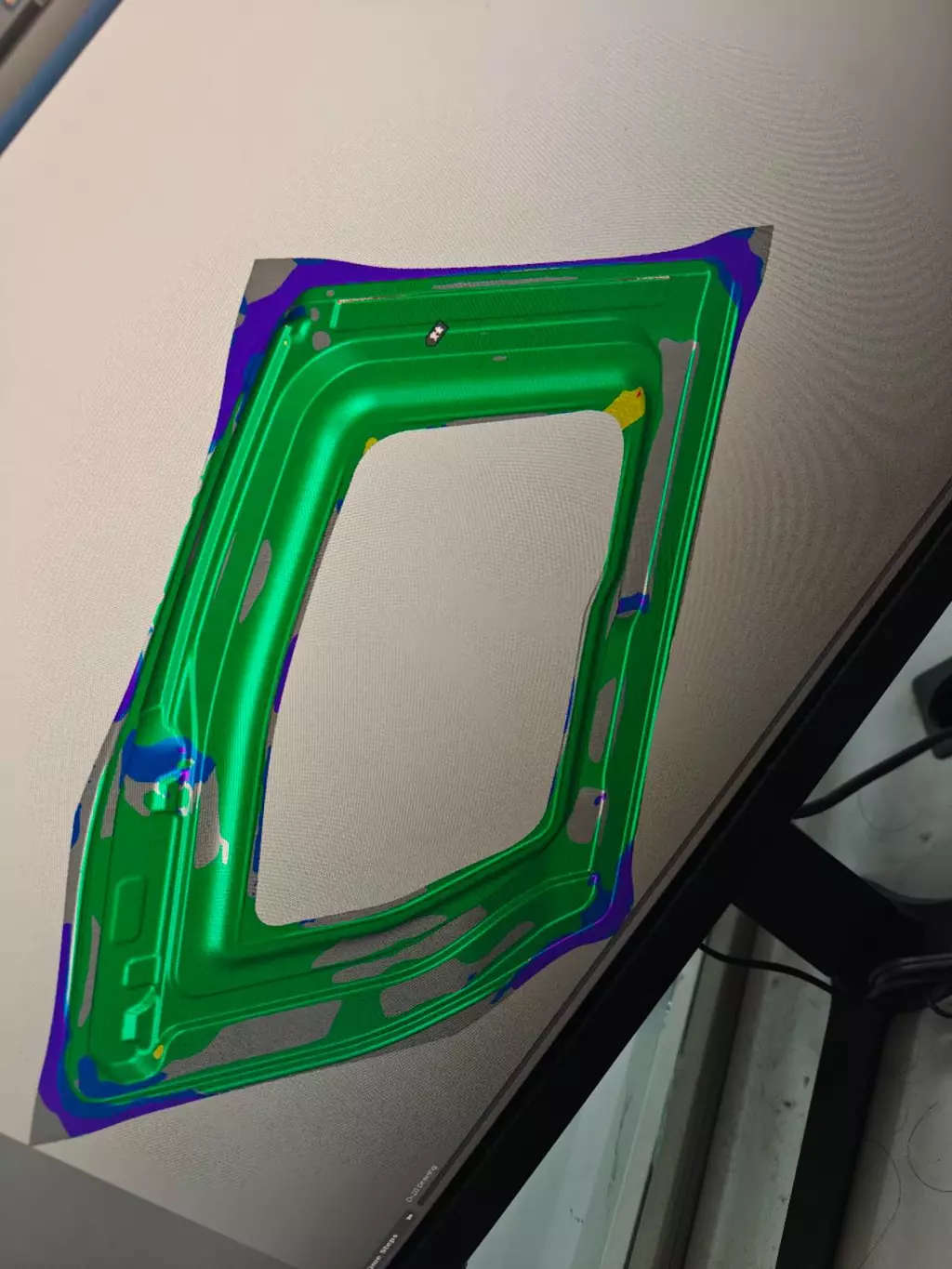
To minimize risks at the production stage, simulations of the cab part stamping processes were carried out. The calculations took into account the complex spatial shape of the panels, variable drawing conditions along the die perimeter, and the degree of material deformation. During modeling, the optimal overall dimensions and shape of the blanks were determined, which made it possible to predict the behavior of the metal during forming with high accuracy and to identify and prevent the occurrence of defects such as splits, wrinkles, corrugations, thinning, skid lines, etc.
Development of the technical Process
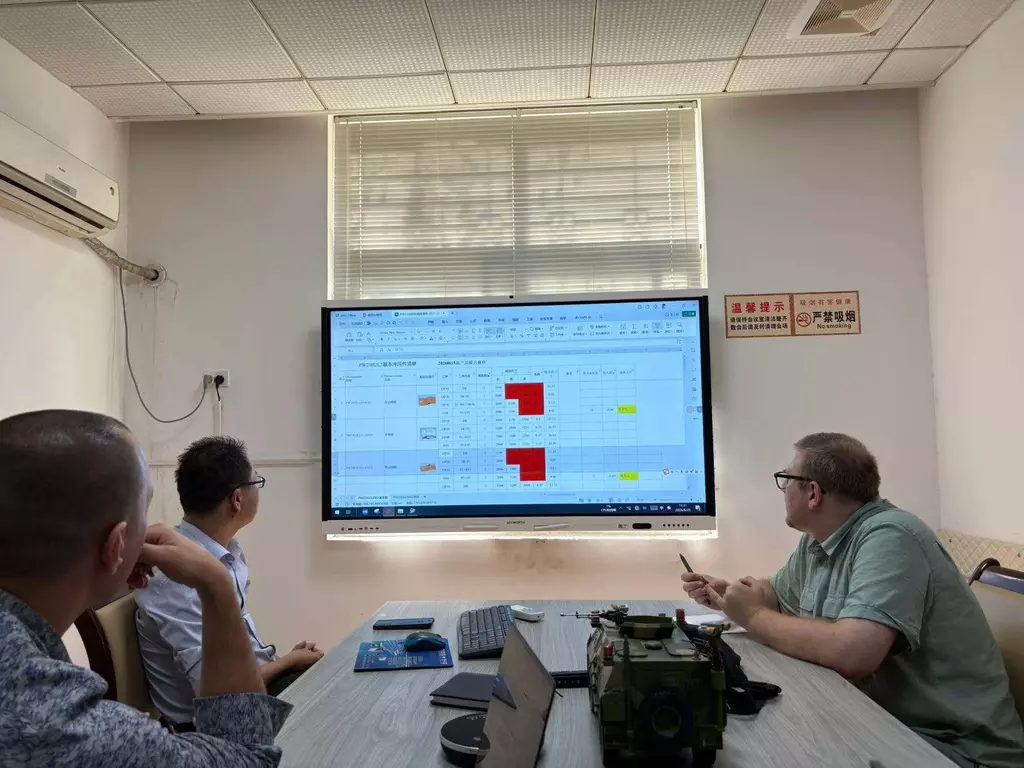
Based on the simulation data, we developed the stamping process for commercial truck cab parts, which was then approved by the die manufacturer. The process was designed taking into account the division of parts into such main groups as outer and inner trim and structural parts. For each group, individual drawing, bending, and forming modes were defined to achieve the required performance characteristics while maintaining production cost efficiency. After analyzing the process, our team was able to reduce the total number of operations for some parts from 5 to 4, and for others from 4 to 3.
Technical Specification for the Hydraulic Automatic Press Line
The final stage of the project was the development of a technical specification for the hydraulic automatic stamping press line. The specification included requirements for the automated material feeding system, high-precision press equipment, and a quick die change system. Particular attention was paid to the introduction of automatic operations for feeding, stamping, part transportation, and waste removal, which ensures stable product quality at high productivity and reduced manual labor.
Result
The comprehensive approach to design allowed the Customer to obtain a complete package of documentation for launching the localization of commercial truck cab production, fully compliant with modern requirements for quality, productivity, and safety. This project demonstrates the ability of the Russian engineering team to solve tasks at the level of global automakers.